Stop Gambling With Your Profits

We had a biotech position in the War Room with serious profits built in. Good profits. The kind you don’t want to give back.
But they were about to announce drug study results. FDA stuff. You know how that goes – one bad data point and your stock drops 30% in a day.
So we’re sitting there with a choice. Sell and maybe miss the upside if the news is good. Or hold and pray, which is not an investment strategy, it’s gambling.
There’s a third way. And it costs about 15 cents.
Here’s Why This Matters Right Now
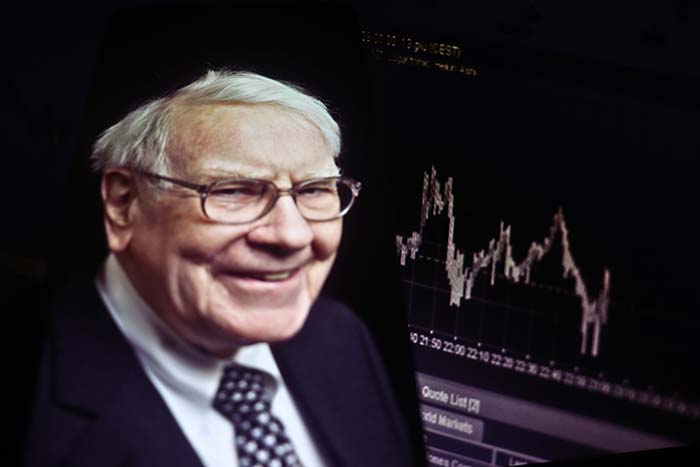
Listen, we’re sitting in a market where the S&P 500 is trading at over 30 times earnings. The Buffett Indicator just hit 217% – that’s higher than the dot-com bubble peak. The Shiller CAPE is sitting at 37. Warren Buffett himself said anything above 200% is “playing with fire.”
The Magnificent Seven tech stocks make up 30% of the entire S&P 500. When this AI bubble finally pops – and it will pop, they always do – you’re going to see some serious damage.
This is exactly when you need insurance on your winners.
What We Did (And Why It Worked)
So back to our biotech. We bought what’s called a married put. You marry your stock position with a put option that gives you the right to sell at a specific price.
Think of it like car insurance. You hope you never need it, but when you crash, you’re covered.
Here’s how it works. You own 100 shares of a stock. You buy one put option contract. Each contract covers 100 shares, so the math works out perfectly.
In our case, we spent 15-17 cents per option to protect positions worth thousands. The put acts like a floor – your downside is limited, your upside is unlimited.
Let Me Break This Down With Real Numbers
Say you own 100 shares of XYZ stock at $50. Stock’s been good to you, up 40%. But earnings are next week and you’re nervous.
So you buy one put option with a $45 strike price expiring after earnings. Costs you maybe $1 per share, so $100 total.
Stock goes up to $60 on good news? You keep all the gains minus the $100 cost. The put expires worthless, but who cares? You just made another $1,000.
Stock crashes to $35 on bad news? Your put is worth $10 per share. You can sell at $45 no matter what the market price is. Instead of losing $1,500, you’re only down $500 plus the insurance cost.
You’re protected on the downside, but you still participate in the upside.
Why Most Investors Screw This Up
They think in absolutes. Bull or bear. Buy or sell. Hold or fold.
That’s not how you build wealth. That’s how you get wiped out when the inevitable correction comes.
I keep 80% of my money in cash and cash-like investments. People think I’m crazy. But I use strategies like this – and leaps, which you guys know I love – to get the same exposure with way less risk.
In our War Room example, the news turned out good, stock moved higher. We kept our gains and the insurance expired worthless. But here’s the thing – we slept well the night before the announcement. Can you put a price on that?
When This Strategy Makes Perfect Sense
Right now, frankly. With valuations this stretched, any disappointment could trigger a serious selloff. But the Fed might keep cutting rates, AI hype might continue, and markets could keep climbing.
This strategy lets you stay positioned for both scenarios.
Use it when:
- You’ve got built-in profits you don’t want to lose
- There’s a specific event coming (earnings, FDA approval, Fed meeting)
- You want to hold long-term but fear short-term volatility
- The market feels frothy but you don’t want to miss out

YOUR ACTION PLAN
Look, I’ve been doing this for decades. I’ve seen bubbles inflate and pop. I’ve watched investors get greedy at the top and panic at the bottom.
At current valuation levels, this isn’t speculation. It’s survival. Markets can stay irrational longer than you think, but they always come back to reality eventually.
For 15 cents per option, you can stay in the game without risking your shirt. That’s not just good investing. That’s common sense.
More from Trade of the Day
The Overnight Earnings Strangle… JUST DO IT!
Apr 1, 2026

Warren Buffett Said It This Morning.
Mar 31, 2026

A Resource More Valuable Than Oil
Mar 30, 2026